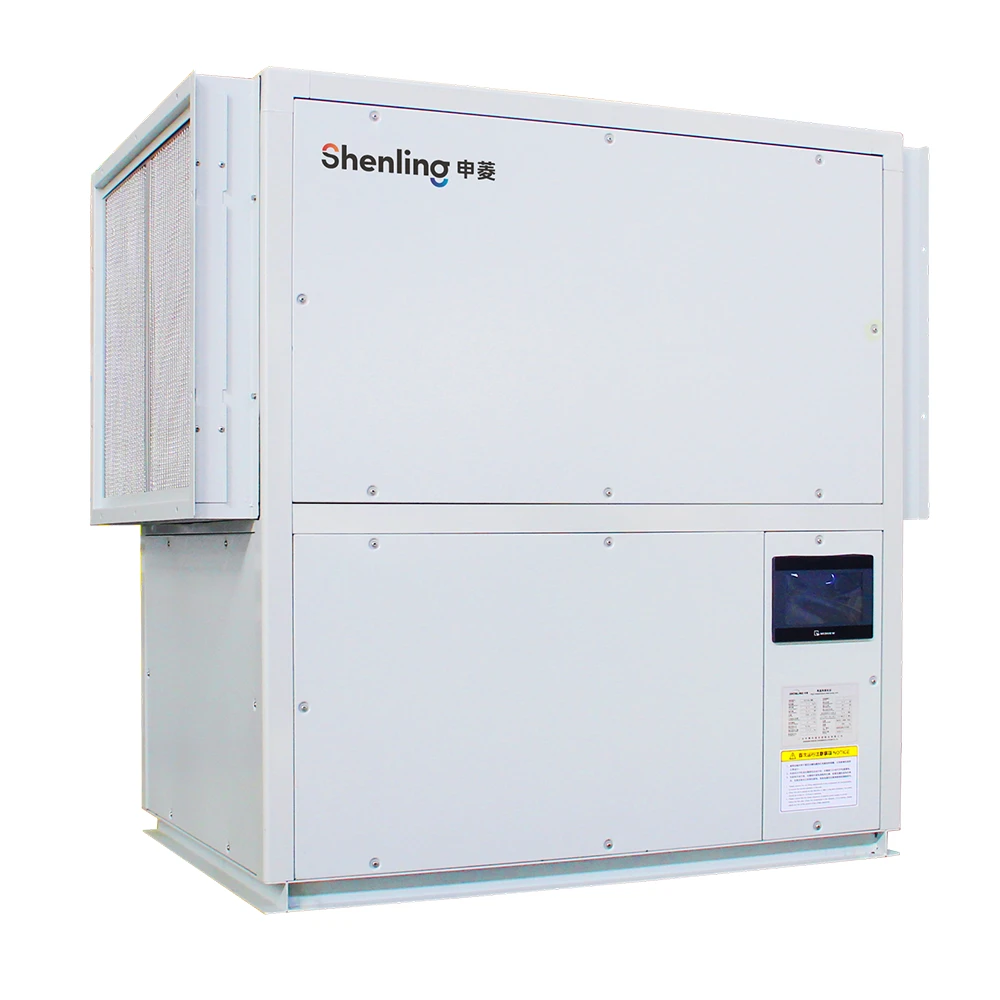
Heat Pump Dryer

Heat Pump Dryer

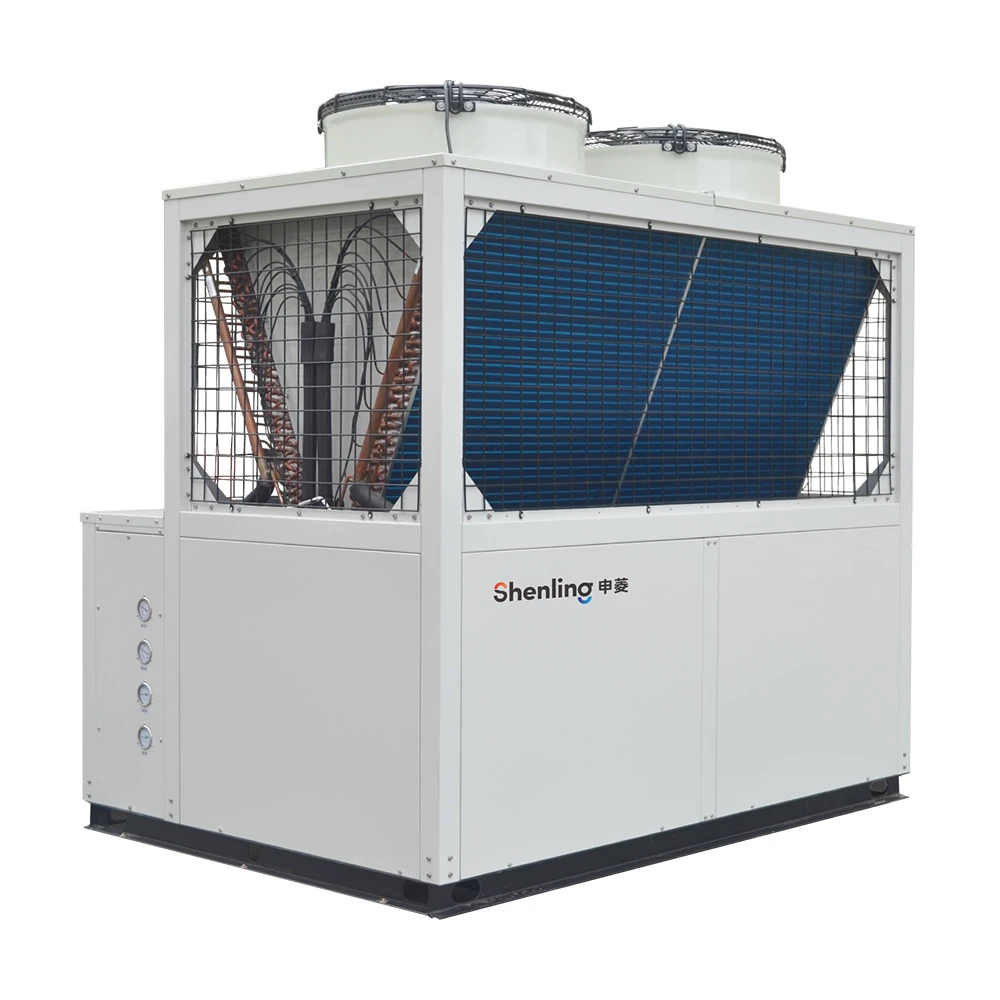
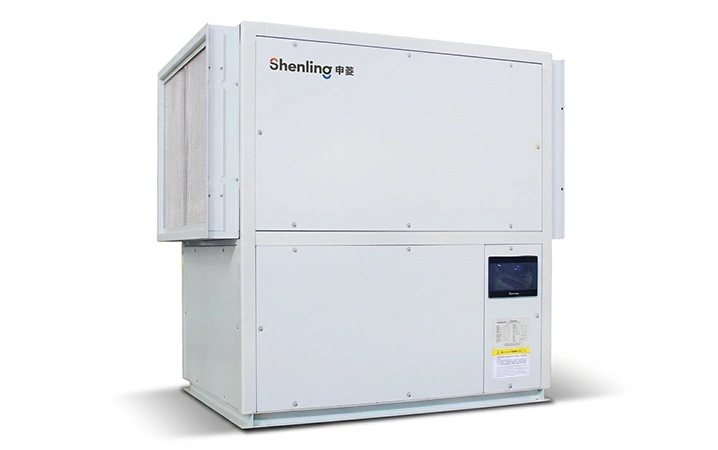
An industrial heat pump dryer is an energy-efficient drying system that uses a closed-loop refrigeration cycle to dry products at low to medium temperatures. Unlike traditional dryers that vent hot, moist air into the atmosphere, a heat pump dryer condenses the moisture out of the air and recycles the heat back into the drying chamber.

/attachment/1/source/785C_High_Temperature_Air-to-Air_Heat_Pump_776.webp

Product Advantages

  • 56x56

    Massive Energy Savings

    Saves 40% to 70% of energy compared to traditional electric or gas-fired convective dryers because it recycles latent heat instead of venting it.

  • 56x56

    Superior Product Quality

    Operates at precise, controllable temperatures (typically 20°C to 90°C). This gentle drying prevents warping, cracking, color loss, or nutrient degradation.

  • 56x56

    Independent of Climate

    Because it is a sealed, closed-loop system, its performance remains identical whether it is a humid summer day or a freezing winter night.

1920x940

Full-lifecycle Solution

img03_134-2
img03_134-3

Product FAQ

  • Q1

    Is the system easy to operate and maintain?

    Yes. Systems feature intelligent control, real-time monitoring, self-diagnosis, and remote access for efficient operation and maintenance.

  • Q2

    What information is required before system design?

    Key inputs include heat source conditions, temperature requirements, flow rate, heating capacity, and application details.

  • Q3

    What level of energy savings can be expected?

    Depending on the application, energy savings in real projects range from approximately 40% to over 55%, with fast return on investment in many cases.

  • Q4

    Can the system produce industrial steam?

    Yes. High-temperature heat pumps can generate steam via hot water conversion systems, with optional steam compressors for higher pressure requirements.

  • Q5

    What types of heat sources can be utilized?

    Heat pumps can use wastewater, exhaust air, ambient air, and other industrial waste heat sources, with water-based heat sources being the most efficient.

  • Q6

    Which industries benefit most from this solution?

    Industries such as food processing, brewing, textiles, chemicals, pharmaceuticals, paper, and battery manufacturing benefit greatly.

  • Q7

    Can industrial heat pumps replace traditional boilers?

    Yes. Heat pumps can replace gas-fired or electric boilers in many scenarios, reducing operating costs and emissions.

  • Q8

    What temperature levels can Shenling heat pumps achieve?

    Systems cover a wide range from 85°C to 150°C, including hot water and steam applications for industrial processes.

  • Q9

    How do heat pumps contribute to industrial decarbonization?

    They reduce fossil fuel consumption by recovering waste heat and improving energy efficiency, supporting net-zero and ESG goals.

  • Q10

    What is an industrial high-temperature heat pump?

    An industrial high-temperature heat pump upgrades low-grade heat into high-temperature usable energy, significantly improving thermal efficiency.

Become our distributor or OEM/ODM partner