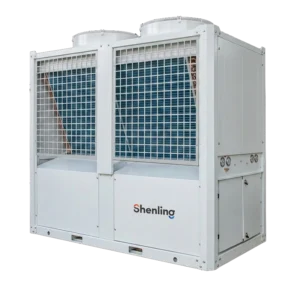
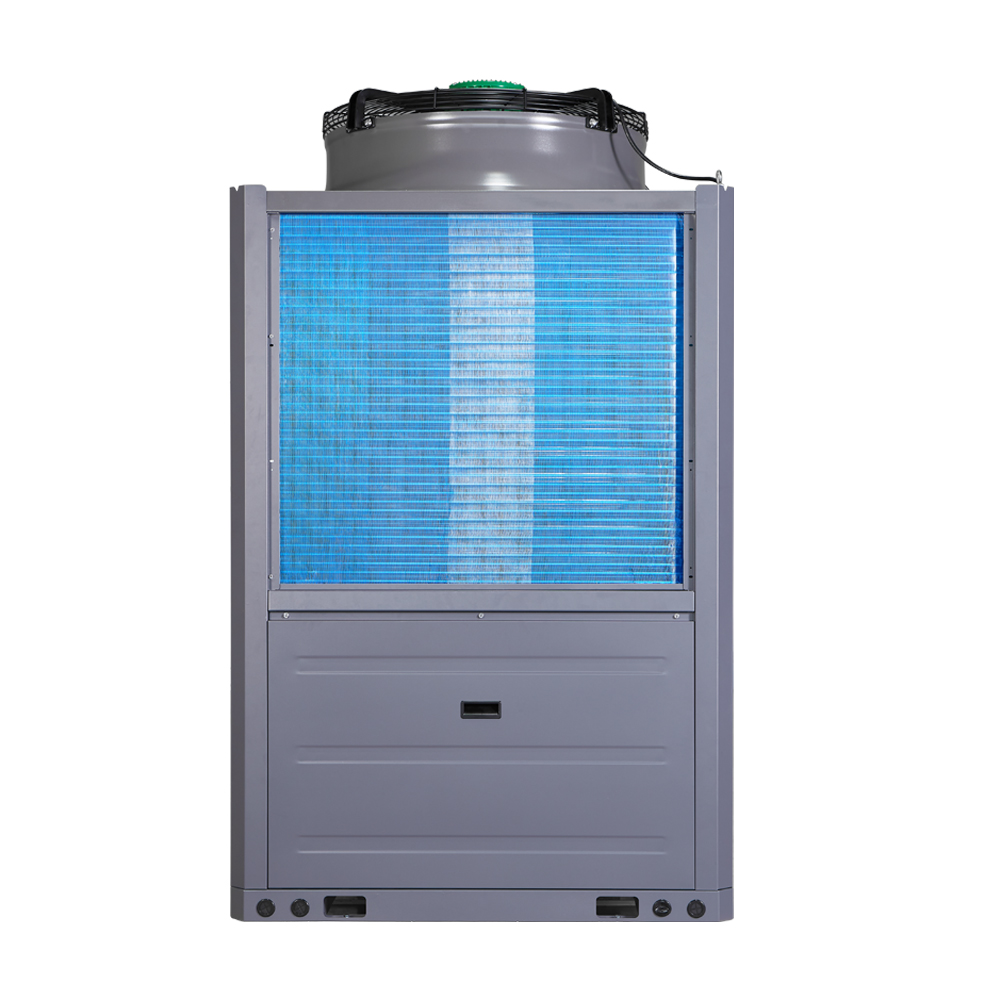
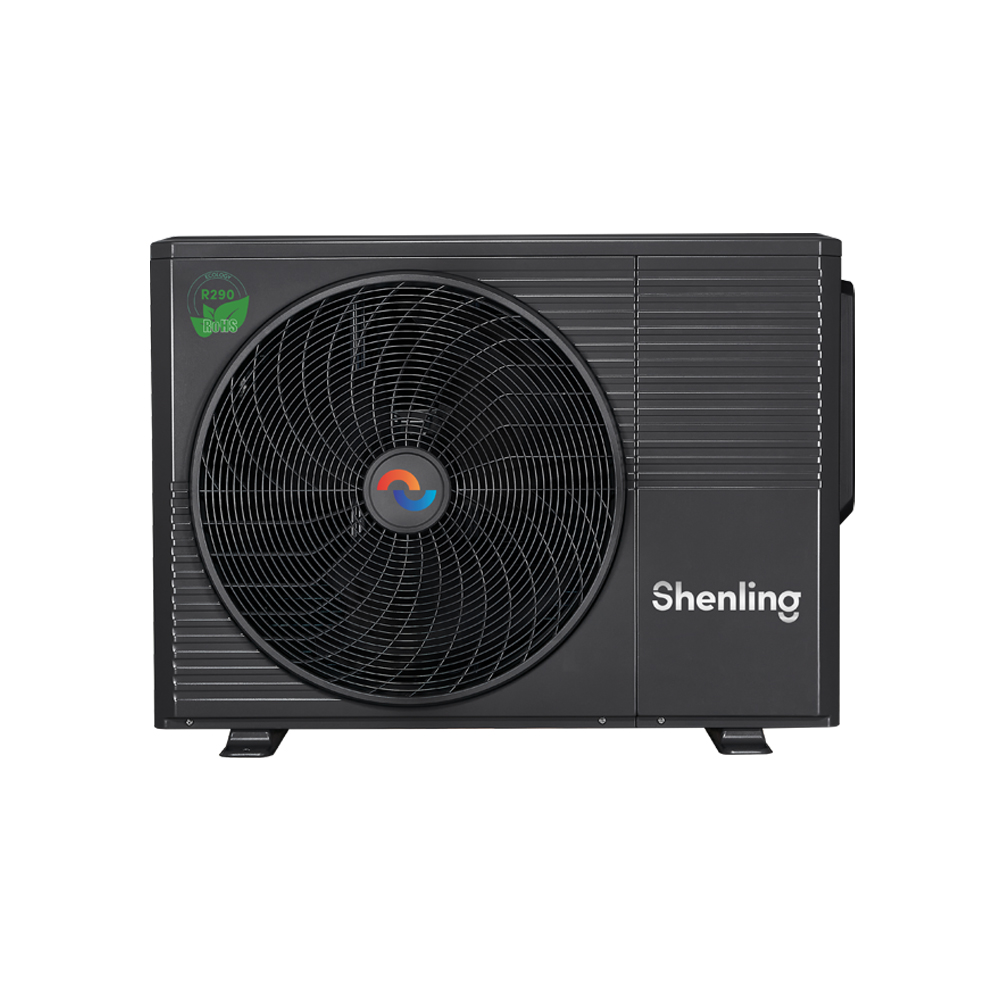
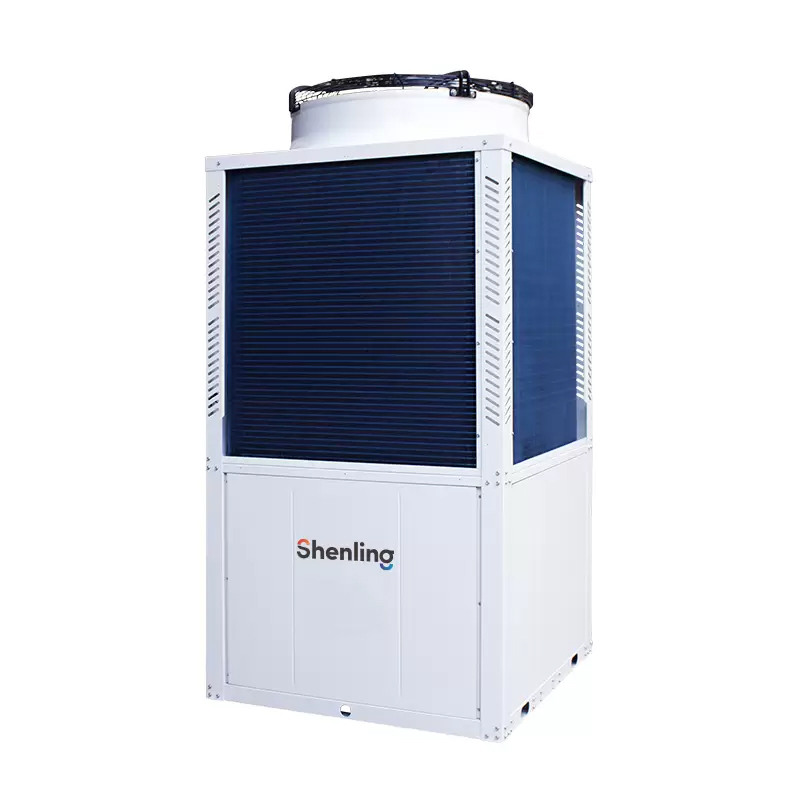
Introduction Shenling’s 150°C ultra-high temperature water-source heat pump is designed to upgrade low-grade waste heat into valuable high-temperature energy. The brochure shows that it can deliver 100–150°C hot water or steam, and steam temperature can be boosted up to 180°C with pressurization technology. It is suitable for industries such as batteries, food processing, brewing, and traditional Chinese medicine, and it supports flexible installation in machine rooms, on rooftops, or outdoors.
The unit can generate high-temperature hot water or steam at 100–150°C on the user side. Depending on customer requirements, it can be configured to produce either high-temperature hot water or steam, offering flexible application and practical convenience.
Ultra-High Temperature Steam Compression Heat Pump System
The unit utilizes an ultra-high temperature steam compressor heat pump system technology developed by Shenling, which significantly increases the heat output temperature of the heat pump. The ultra-high temperature hot water/steam produced by the unit on the user side can reach an outlet temperature range of 100 to 150°C. When generating steam, the unit can also employ steam pressurization technology, achieving a maximum steam temperature of up to 180°C.
High Efficiency and Energy Saving
The unit incorporates high-efficiency, energy-saving core technologies developed by Shenling’s R&D Center and National Postdoctoral Research Station. Through optimized system design and enhanced heat exchange performance, it utilizes low-grade waste heat sources of varying grades to generate high-grade thermal energy. The ultra-high temperature heat pump unit achieves a coefficient of performance (COP) ranging from 2.0 to 4.0 W/W, significantly higher than that of electric or gas boilers. Its use delivers substantial energy-saving benefits.
Wide application range
The inlet water temperature range on the waste heat recovery side of the unit can reach 60–110°C, offering a wide operating range and strong adaptability to waste heat environments.
Integration
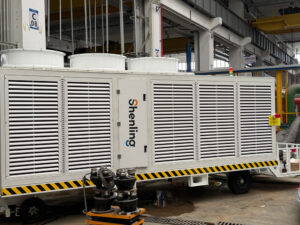
The inlet water temperature range on the waste heat recovery side of the unit can reach 60–110°C, offering a wide operating range and strong adaptability to waste heat environments. The unit adopts an integrated design, featuring a built-in steam generator and feedwater pump. During operation, it only requires connections for the heat source water inlet and outlet pipes, steam pipeline, and water supply pipeline. With its compact structure, the unit offers flexible installation and use, significantly saving installation space.
High-Efficiency Oil Cooling Technology
The unit employs high-efficiency oil cooling technology to cool the lubricating oil, ensuring stable and reliable compressor operation while reducing thermal energy waste. This achieves safety, reliability, and enhanced efficiency.
APPLICATIONS:
Battery plants, food factories, brewing facilities, and traditional Chinese medicine applications. More broadly, it suits industrial, commercial, and residential projects that require high-temperature hot water or steam.
Schematic Diagram:
Figure 1: High Temperature Schematic Diagram
FAQs
Q1: What temperatures can this model deliver? A1: It can deliver 100–150°C hot water or steam, and steam can be boosted to 180°C with pressurization technology.
Q2: What makes this heat pump different from a conventional boiler? A2: It upgrades low-grade waste heat into usable high-temperature thermal energy, with a COP of 2.0–4.0, making it far more energy efficient than electric or gas boilers.
Q3: What kind of heat source does it use? A3: It uses industrial or civil waste hot water as the low-grade heat source, with a recovery-side inlet water temperature range of 60–110°C.
Q4: Is installation flexible? A4: Yes. The product has an integrated design and can be installed in a machine room, on a rooftop, or outdoors.
Q5: Which industries is it suitable for? A5: The brochure mentions battery manufacturing, food processing, brewing, and traditional Chinese medicine, while the page also positions it for industrial heat-recovery projects more broadly.
Q6: What refrigerant and compressor does it use? A6: The specification table on the live page lists R1233zd(E) and a scroll screw compressor type.
Specification
Parameter
Unit
LSQR90ZD-CGZQ
LSR300ZD-CGZQ
LSR590ZD-CGZQ
Performance Parameters
Heating Capacity
kW
75.1
292.6
585.2
Power
kW
26.4
112.1
224.2
COP
kW/kW
2.84
2.61
2.61
Power Supply Parameters
Power Supply Type
/
3N~380V 50Hz
Max Operating Current
A
65.7
273.1
546.2
Operating System
Medium-Temperature LCD Display
Compressor
Type
Scroll
Screw
Start Method
Variable Frequency
Y-Δ Start
Quantity
1
1
1
Refrigerant
Name
R1233zd(E)
Flow Control
Electronic Expansion Valve
User Side
Steam Output
kg/h
118.7
444.3
888.6
Steam Temperature
℃
100~150
Steam Pressure
bar
0~5
Steam Interface
mm
DN65
DN100
DN125
Water Inlet Interface
mm
DN25
DN32
DN32
Heat Source Side
Water Flow Rate
m³/h
8.4
31.1
62.2
Pipe Connection Size
mm
DN50
DN100
DN100
Water Pressure Drop
kPa
48
57
60
Dimensions & Weight
Dimensions
mm
1500×1200×1700
3000×2450×2820
3150×2650×2860
Net Weight
kg
820
4050
6000
Operating Weight
kg
880
4150
6200
? Notes:
1. All parameters in the table are based on nominal operating conditions:
– Heat source side inlet/outlet water temperature: 85/80°C
– User side steam temperature: 135°C
– Makeup water temperature: 85°C
2. Specific unit parameters shall be subject to the nameplate of the unit.
3. The unit heat exchanger is a plate-type heat exchanger with flange connections.
4. The above parameters are for standard models. For non-standard requirements, please contact Shenling Company’s business consultation.
5. The above parameters may change due to product improvements and optimizations. Please refer to the selection guide and actual product.
Xiangyang Airport in Hubei Province, China, has fully deployed ground support systems across its boarding bridges to reduce aircraft emissions and energy consumption. The systems,
VOC emission control is an unavoidable environmental challenge for the oil, gas, and petrochemical sectors. Large volumes of hydrocarbon vapors generated during tank breathing and
Every successful airport project begins long before installation. It starts with precision manufacturing, rigorous quality control, and a commitment to delivering reliable equipment on time.