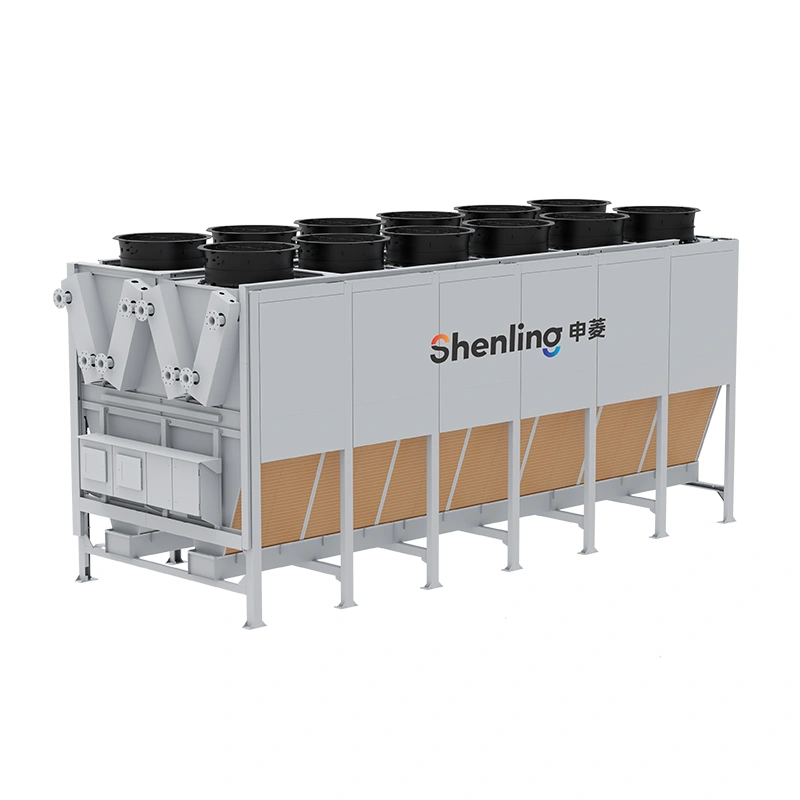
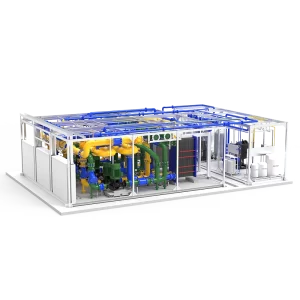
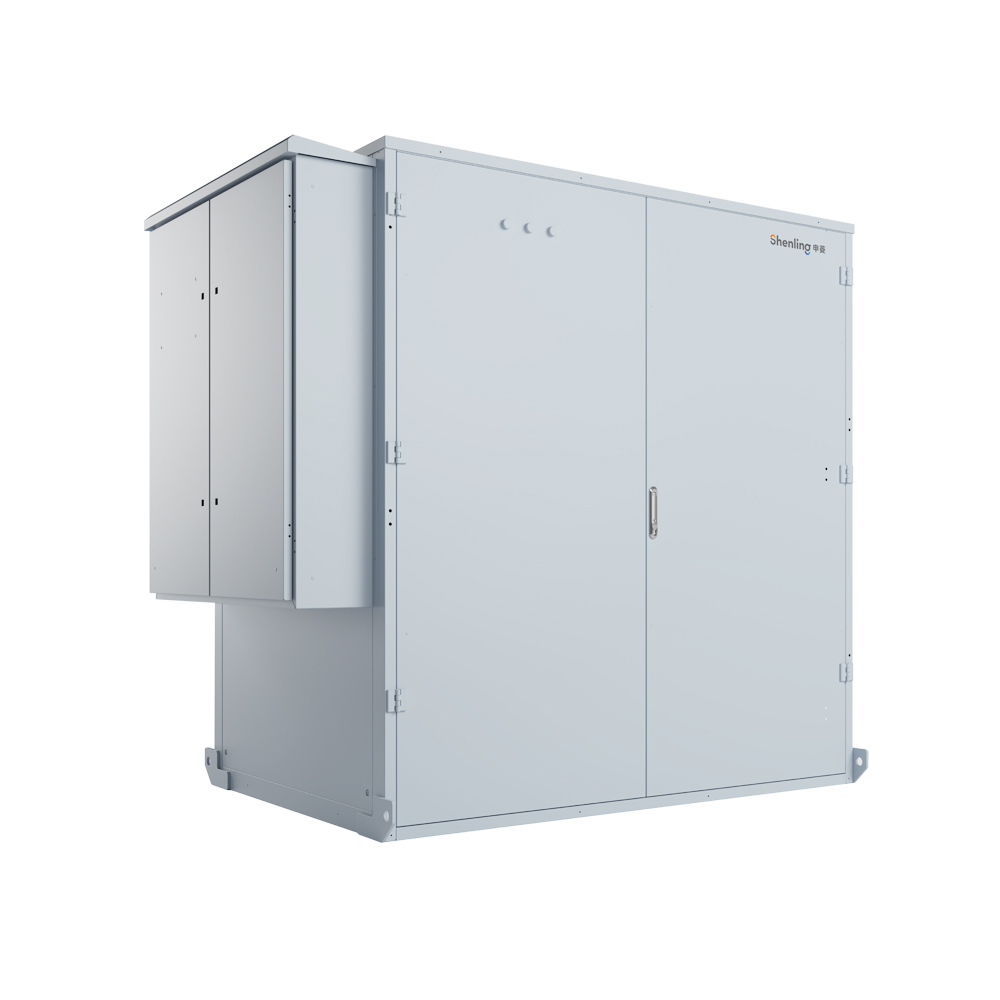
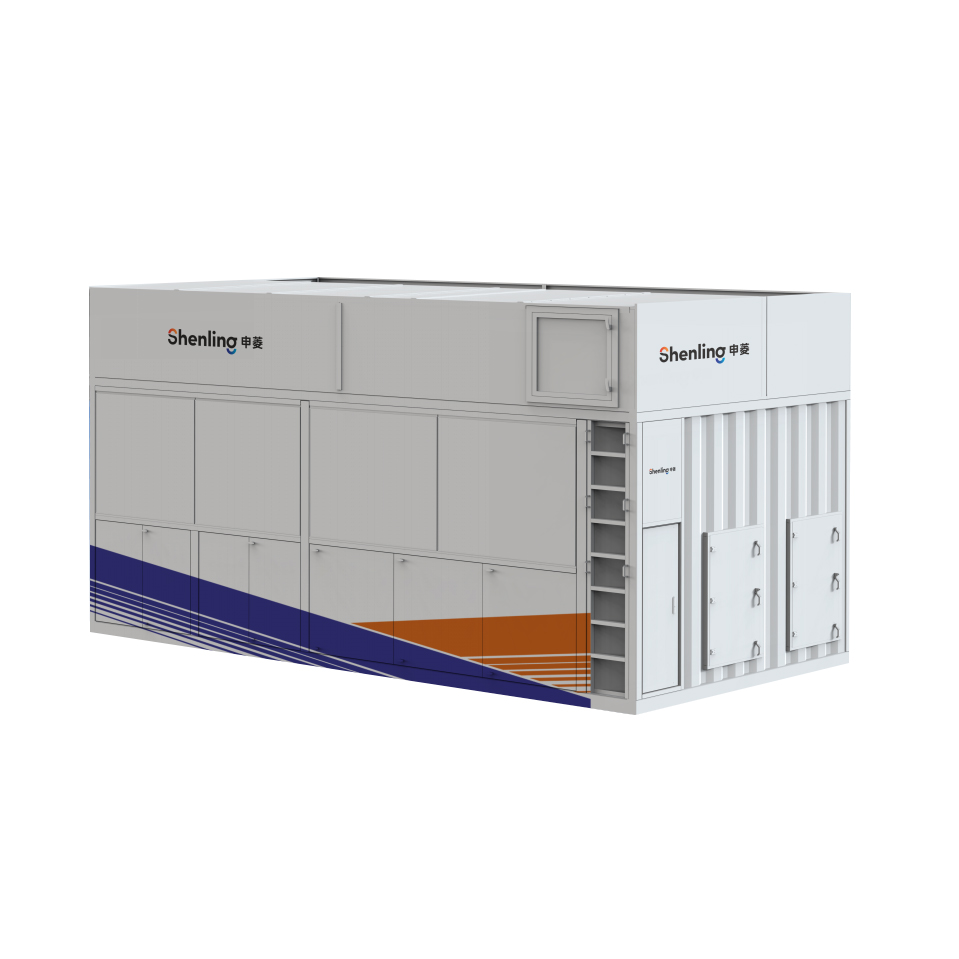
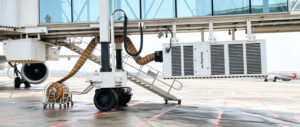
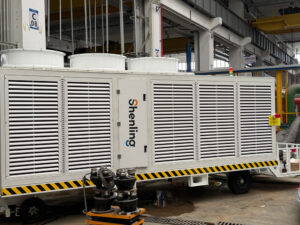
What an Adiabatic Dry Cooler Is
An adiabatic dry cooler is a closed-loop cooling device that removes heat from water or glycol circuits using ambient air. During high ambient temperatures, an adiabatic system pre-cools the incoming air through evaporation before it reaches the heat-exchange coil. The coil itself remains dry, reducing fouling, corrosion, and maintenance compared with traditional evaporative cooling systems.
Why Data Centers Use Adiabatic Dry Coolers
Data centers use adiabatic dry coolers to reduce mechanical chiller operation, extend free-cooling hours, and lower overall energy consumption. Compared with cooling towers, adiabatic dry coolers consume significantly less water and provide higher operational reliability. This makes them suitable for mission-critical facilities and regions where water availability is limited.
Core Applications
- Liquid-cooled data centers
- High-density server rooms
- Hybrid chiller and free-cooling systems
- Data centers in water-scarce regions
- Seismic or high-altitude installations
Key Technical Characteristics
Cooling Capacity
Cooling Function
Control System
-
Dual-mode intelligent control
-
Variable-frequency EC fans
-
Staged adiabatic spray system
-
Automatic mode switching based on ambient temperature and load
Water Consumption
-
Water is used only during high ambient temperature conditions
-
Controlled adiabatic operation significantly reduces total water usage
-
Suitable for water-restricted data center projects
Altitude Capability
Structural Reliability
-
Corrosion-resistant materials for long service life
-
Seismic-resistant mechanical structure
-
Integrated fault self-diagnosis
-
Multiple safety and protection mechanisms
Adiabatic Dry Cooler vs Cooling Tower (Data Center Context)
| Adiabatic Dry Cooler |
Closed-loop system |
Low water consumption |
Dry heat-exchange coil |
Lower fouling and biological risk |
Higher suitability for data centers |
| Cooling Tower |
Open water system |
High water consumption |
Continuous wet operation |
Higher maintenance and chemical treatment needs |
Less suitable for mission-critical environments |
Energy Efficiency and Sustainability
By extending free-cooling operation and reducing chiller runtime, Shenling Adiabatic Dry Coolers help lower data center energy consumption and improve Power Usage Effectiveness (PUE). Controlled adiabatic operation minimizes water waste, supporting green building goals and sustainable data center development.
System Integration
Shenling Adiabatic Dry Coolers integrate with:
Standard communication interfaces allow centralized monitoring and intelligent control within data center infrastructure.
Typical Selection Parameters
For accurate system selection, the following parameters are required:
-
Total heat rejection load (kW)
-
Inlet and outlet fluid temperatures
-
Design ambient dry-bulb and wet-bulb temperatures
-
Site altitude
-
Redundancy requirements
Shenling provides project-specific performance modeling and equipment selection.
Frequently Asked Questions (FAQ)
1.What is an adiabatic dry cooler used for in data centers?
An adiabatic dry cooler is used to reject heat from cooling water or glycol circuits, reducing reliance on mechanical chillers and improving energy efficiency in data centers.
2.How much water does an adiabatic dry cooler consume?
Water is consumed only during high ambient temperatures for air pre-cooling. Total water usage is significantly lower than traditional cooling towers and depends on local climate conditions.
3.Is an adiabatic dry cooler suitable for liquid-cooled data centers?
Yes. It is commonly used as a cold source for liquid-cooled data centers, including direct-to-chip and other closed-loop liquid cooling systems.
4.Can adiabatic dry coolers operate in hot or dry climates?
Yes. Adiabatic dry coolers are especially effective in hot and dry climates, where evaporative pre-cooling can significantly improve cooling performance.
5.Can the system operate at high altitude?
Yes. Shenling Adiabatic Dry Coolers are designed to operate at altitudes up to 3000 meters.
6.How does an adiabatic dry cooler improve PUE?
By increasing free-cooling hours and reducing chiller operation, the system lowers overall energy consumption, contributing to improved data center PUE.
7.What maintenance is required?
Maintenance typically includes inspection of adiabatic components, water quality management, fan and motor checks, and routine system diagnostics.